
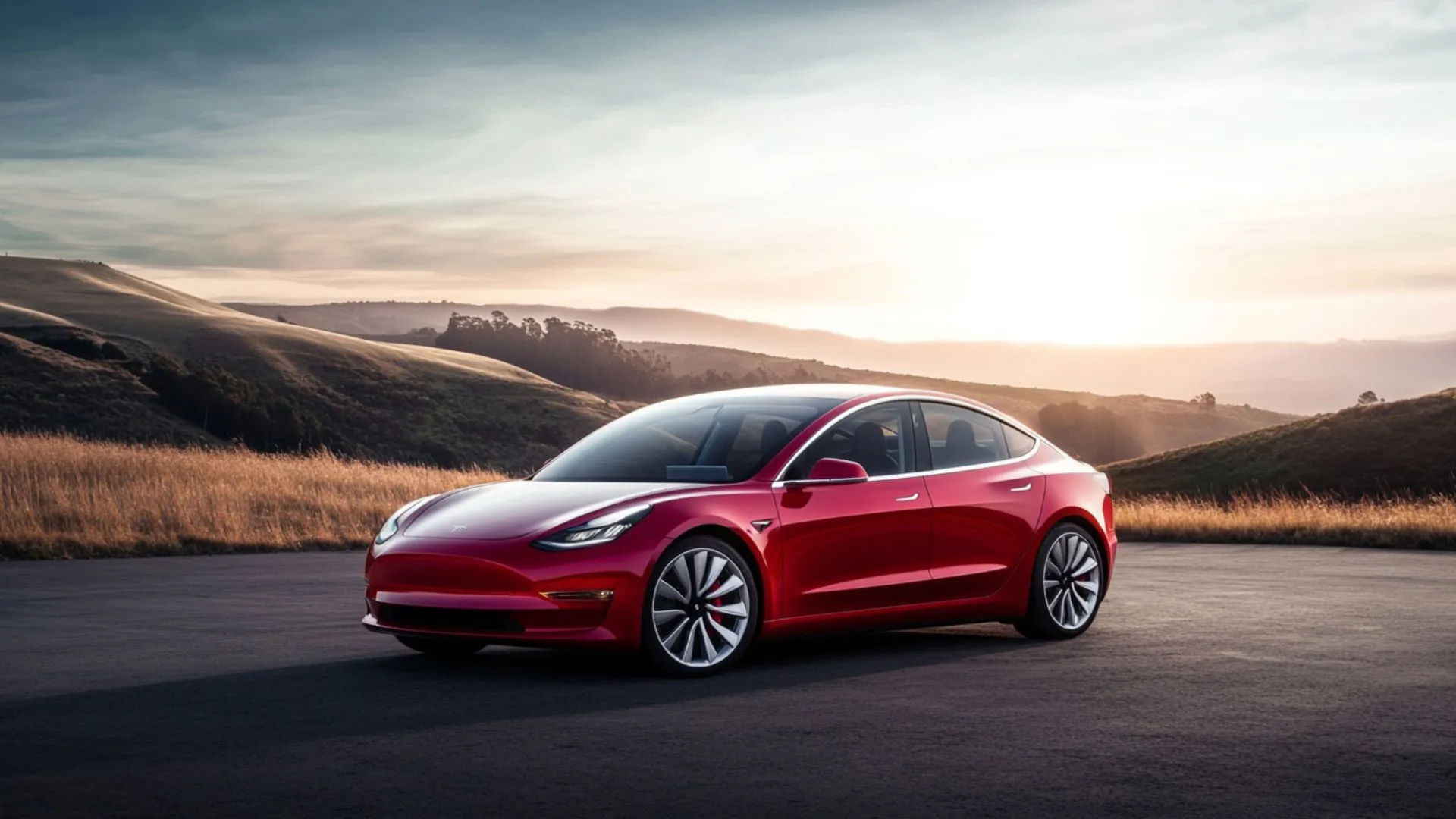

American-made cars have come a long way. Once famous for raw power, they now lead in quality and smart engineering. These vehicles earn top reliability scores from Consumer Reports and U.S. News, blending everyday affordability with cutting-edge features. Buying American-made cars matters more than ever in 2025. New 25% tariffs on imports make U.S.-built options cheaper and more future-proof while supporting over 1 million American jobs in plants from Michigan to Texas. U.S. assembly means shorter supply chains and faster repairs.
Performance stands out across the board. The Tesla Model 3 delivers over 300 miles of electric range with blistering acceleration. Ford F-150 trucks tow 13,000 pounds effortlessly with rock-solid reliability. Honda Accord hybrids achieve 50 mpg with excellent dependability. Ram 1500 pickups earn “Best for the Money” awards for durable construction. Innovation powers these advances – Rivian’s R1S offers adventure-ready technology, while AI-assisted safety in the Chevy Equinox helps prevent crashes. These cars aren’t just transportation; they’re investments in efficiency and performance.
Why Choose Cars Made in the USA?
Owning an American-made car supports domestic manufacturing and connects you to the heart of American innovation. In 2025, with 25% tariffs on imports, these vehicles offer significant savings and excellent value. They support communities, drive the economy, and deliver top performance. Cars made in the USA support over 1 million jobs and account for half of all vehicle sales. Domestically built cars also protect buyers from tariff-related price increases. Buyers benefit from tax-deductible loans, 10% higher resale values, faster parts availability, and lower repair costs. Every purchase strengthens American families and supply chains.
U.S. engineering excellence is evident in several key areas:
- Durability: 71% domestic parts in the Jeep Grand Cherokee mean rugged reliability.
- Innovation: Tesla Model Y leads with 75% U.S. content and AI safety features.
- Efficiency: Honda Accord hybrids achieve 50 mpg in American assembly plants.
- Power: Ford F-150 tows 13,000 pounds, built tough in the heartland.
Driving a car made in the USA represents American craftsmanship and engineering excellence. Superior craftsmanship sets them apart, with strict quality checks that ensure precision and sustainable materials that reduce waste. Consumer Reports ranks many as top choices for reliability, delivering dependable, long-lasting performance. Choose American-made cars for more than transportation – they’re an investment in stronger jobs, smart savings, and American manufacturing. In 2025, 117 American-made models will be available, ranging from EVs to trucks.
Top American-Made Cars to Consider in 2025
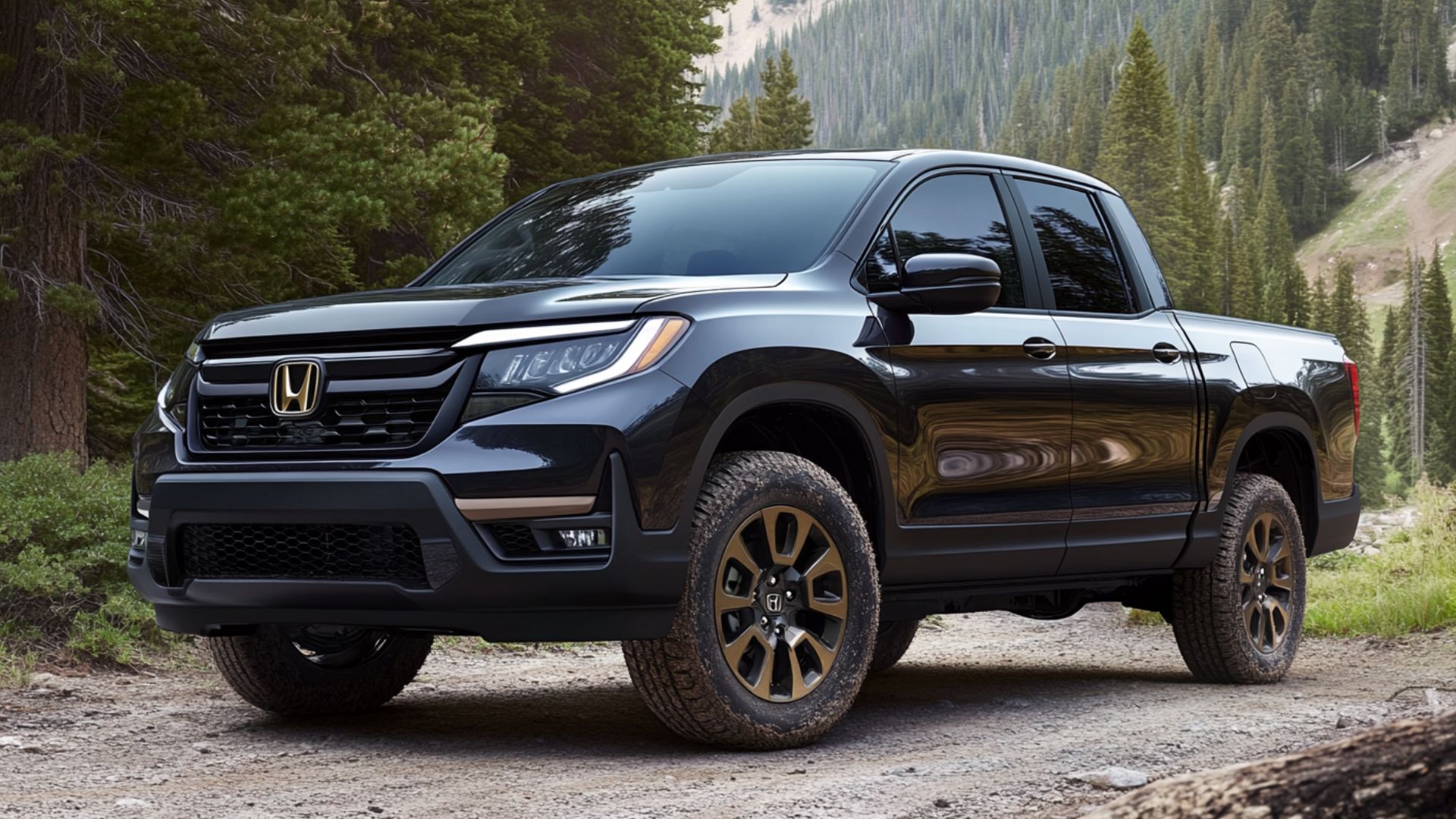
In 2025, cars built in the USA offer significant value with 25% import tariffs driving up foreign prices. Tesla tops the American-Made Index, followed closely by Honda and Jeep. High domestic parts content and top safety scores deliver unbeatable value while supporting over 1 million U.S. jobs. Whether you need a car for daily commuting or weekend adventures, the best American-made cars stand out for their advanced technology and strong resale values. From established icons to innovative EVs, these vehicles punch above their weight. Here are the top picks:
| Model | Assembly Location | U.S./Domestic Parts | Key Highlights |
| Tesla Model 3 | Fremont, CA | 75% | #1 on Cars.com American-Made Index. 0-60 in 2.9 seconds, 341-mile range |
| Jeep Gladiator | Toledo, OH | 71% | Rugged mid-size truck, removable roof, off-road champion. 0-60 in 6.5 seconds, 7,700 lbs towing |
| Honda Ridgeline | Lincoln, AL | High Domestic | Unibody pickup, smoothest ride in class. 0-60 in 6.8 seconds, 5,000 lbs towing |
| Kia EV6 | West Point, GA | 80% | 310-mile EV, ultra-fast charging, 576-hp GT trim. 0-60 in 3.4 seconds, 310-mile range |
These picks showcase the diversity of American-made cars in 2025, from EVs (Tesla) to reliable sedans (Honda Accord) to versatile trucks (Gladiator) to fast EVs (EV6). All score high with J.D. Power, have fewer recalls, and benefit from stronger supply chains. Prices range from $30,000 to over $100,000. Test drive today to experience the quality and support American jobs.
How American-Made Cars Compare to Imported Models
The debate over U.S.-made vehicles versus imports intensifies as 25% tariffs add $5,000-$10,000 to the prices of imported vehicles without affecting domestic vehicles. American-made vehicles excel in affordability and job support, while imports often have better long-term reliability. Yet both deliver innovation, with Tesla’s EVs leading domestic offerings and Toyota’s hybrids topping imports. Quality varies by brand, though domestic production reduces repair delays and parts availability issues.
Here’s how they compare:
- Quality and Reliability: Asian imports (Toyota, Honda) rank highest in J.D. Power’s 2025 study with fewer breakdowns over 200,000 miles. Ford and Chevrolet rank 13th-16th, but excel in crash safety. IIHS names Ram 1500 and Jeep Gladiator top picks for occupant protection.
- Price: American-made cars start $5,000-$8,000 lower upfront, according to Insurify data, and tariffs make imports more expensive to own. However, some imports, like the Prius hybrid, hold their value better long-term.
- Innovation: American vehicles lead in EVs (Tesla Model 3: 341-mile range, AI Autopilot) and trucks (Ford F-150: 13,000-lb towing). Imports innovate in efficiency (Kia EV6: 576 hp, ultra-fast charging) and luxury tech (BMW: adaptive suspensions).
American-made cars offer faster parts delivery (days vs. weeks), 50% less downtime, and 20-30% lower maintenance costs. They provide 10% stronger resale values and support 1 million American jobs while delivering real savings and reliability. American-made vehicles offer balanced value for most drivers, providing solid performance without import-related delays. For trucks and EVs, American-made vehicles have a clear advantage. If efficiency is your top priority, consider imports. Test drive both to find the best fit for your needs.
Factors to Consider When Purchasing an American-Made Car
Buying U.S.-made cars in 2025 makes more sense than ever. Tariffs keep prices stable while imports jump 15-25%. You also benefit from faster delivery and support for American workers. But the right choice depends on your specific needs. Here’s what matters most.
Key factors to consider:
- Budget: Cars manufactured in the USA range from $28,000 (Chevy Trax) to $110,000 (Corvette Z06). Many qualify for federal tax credits up to $7,500.
- Vehicle type: Sedans for commuting, SUVs for families, trucks for towing and work.
- Fuel efficiency: Hybrids like the Honda Accord (50 mpg) and EVs like the Tesla Model 3 (341 miles of range) lead the market.
- Lifestyle needs: Consider whether you need off-road capability, third-row seating, 10,000+ lb towing capacity, or high performance.
- Tech & safety: Look for standard adaptive cruise control, blind-spot monitoring, and over-the-air updates.
- Warranty & service: Most U.S.-made cars offer 5-year/60,000-mile powertrain coverage with nationwide dealer networks.
Choose U.S.-built cars that fit your needs. The Tesla Model 3 works perfectly for commuters, while the Honda Pilot and Rivian R1S are best suited for families. The Ram 1500 and F-150 excel for work, and the Jeep Wrangler or Bronco are ideal for adventure. Test drive your top choices, check range and cargo space, and verify U.S. content. In 2025, American-made cars will offer smarter value and fewer headaches.
The Value of Investing in American-Made Vehicles
In 2025, choosing cars built in the USA is a smart financial choice, especially with tariffs up to 25% on imports from Mexico, Canada, and China. Domestically assembled vehicles like the Tesla Model 3 and Ford F-150 shield buyers from price hikes, potentially saving thousands on new purchases. New tax incentives include up to $10,000 in deductible auto loan interest, sweetening the deal for U.S.-made models.
These USA-built cars boast superior reliability and warranties, including IIHS Top Safety Pick awards for the Jeep Grand Cherokee and Hyundai Ioniq 5. High domestic parts content of up to 75% ensures easier repairs and lower long-term costs. Supporting U.S. manufacturers fuels over 1 million jobs, bolsters local economies, and secures supply chains. Own a top-quality vehicle that represents American innovation and engineering. Choose American-made for lasting value.