


Terminal to Terminal Car Shipping: How It Works and When It Makes Sense
As interstate vehicle transportation becomes increasingly common, many customers are discovering the benefits of terminal-to-terminal car shipping as a cost-effective alternative to traditional door-to-door delivery. This shipping method offers flexibility, convenience, and significant cost savings, making it particularly popular for long-distance moves.
Terminal-to-terminal auto transport appeals especially to customers without private driveways, those seeking to reduce costs, or anyone comfortable dropping off and picking up their vehicle at designated locations. Auto dealers, students, military personnel, and budget-conscious individuals frequently choose this option as a practical solution that balances safety with affordability.
What Is Terminal-to-Terminal Car Shipping?

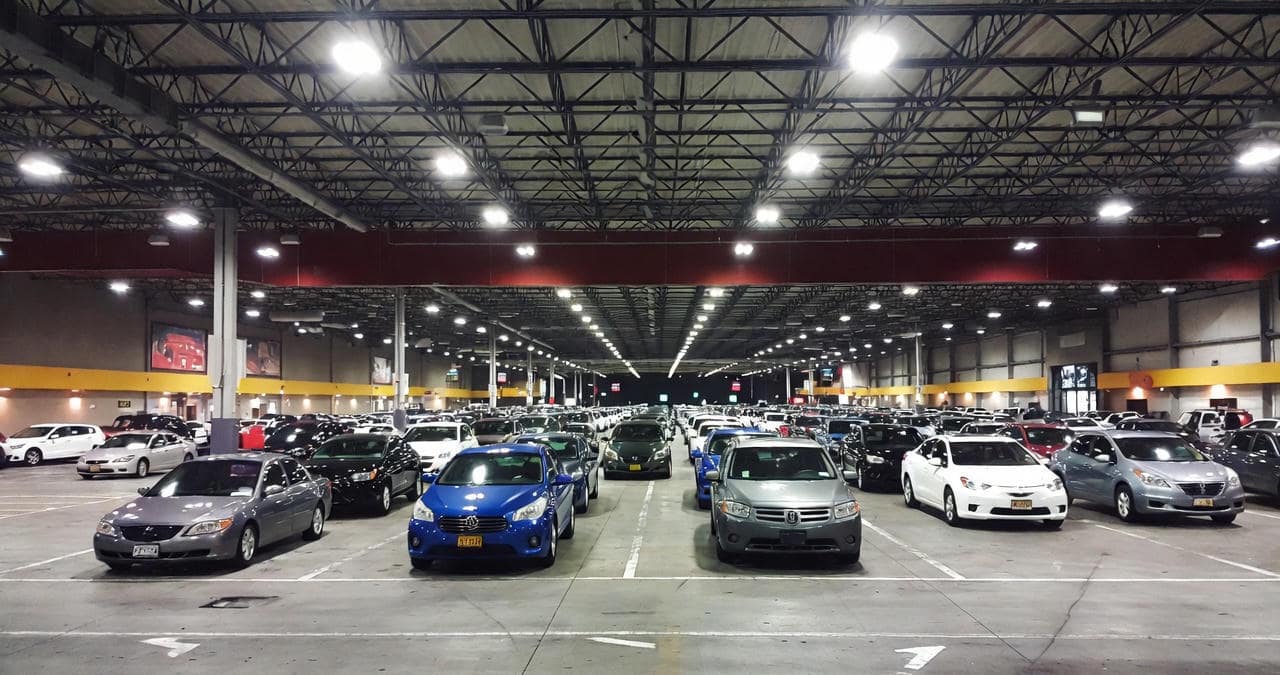
Terminal-to-terminal car shipping involves transporting vehicles between two official carrier terminals – specialized facilities designed to receive, store, and dispatch automobiles. These terminals are typically located in major cities or transportation hubs, providing convenient access for most customers. Many reputable companies, including Onyx Auto Transport, offer terminal-to-terminal auto transport services with secure storage and professional handling.
This delivery method optimizes efficiency for long-distance routes while reducing costs by eliminating residential navigation. The reduced driver time translates directly into customer savings. Essential characteristics include:
- Terminal Operations: Licensed carriers operate secure facilities with proper storage and handling capabilities for all vehicle types.
- Vehicle Movement Process: Customers deliver vehicles to the origin terminal, where carriers conduct inspections and load vehicles onto car carriers. The transport then travels to the destination terminal for pickup.
- Required Documentation: Terminal-to-terminal car shipping requires valid identification, vehicle registration, proof of insurance, and accurate contact information.
How Terminal-to-Terminal Auto Transport Works
The transportation process follows a straightforward structure that makes it accessible even for first-time customers. Best terminal-to-terminal car shipping allows customers to save money while maintaining control over delivery timing. This format proves especially convenient for students, military personnel, auto dealers, and families planning moves.
The process includes these steps:
- Drop-Off at Origin Terminal: Customers transport their vehicle to the departure terminal during designated operating hours.
- Vehicle Inspection and Loading: Carrier representatives thoroughly inspect the vehicle’s condition and document any existing damage with photos. The vehicle is then securely loaded onto a car carrier.
- Interstate Transportation: The carrier transports your vehicle to the destination terminal, following optimized routes that balance efficiency with safety.
- Pickup at Destination Terminal: Upon arrival, customers receive notification and retrieve their vehicle after signing documentation and conducting a final inspection.
Vehicle owners must present valid identification and vehicle documentation at both terminals. Transportation timeframes depend on distance, with most terminal shipping including short-term complimentary storage at both terminals.
When Terminal-to-Terminal Shipping Makes the Most Sense
This delivery method shines when door-to-door service is impractical, unavailable, or unnecessarily expensive. Terminal-to-terminal auto transport proves particularly beneficial for customers transporting vehicles over long distances who can conveniently access terminals.
Key scenarios where terminal shipping makes excellent sense:
- Long Interstate Moves: For cross-country transportation, terminal service offers significant cost savings without compromising safety. Customers can handle other tasks while their vehicle travels to its destination.
- Limited Residential Access: Terminal-to-terminal auto transport works perfectly when locations lack adequate space for large car carriers, such as apartment complexes with restricted access or narrow streets.
- Route Flexibility: Meeting at convenient terminals along major corridors allows customers to save on delivery costs by eliminating carrier route deviations.
- Temporary Storage Needs: Some customers benefit from the temporary storage capabilities terminals offer, providing a buffer period when timing doesn’t align perfectly.
Pros and Cons of Terminal-to-Terminal Car Transport
Terminal-to-terminal car transport balances cost and safety while requiring greater customer involvement than door-to-door service. Understanding advantages and limitations helps customers make informed decisions.
Advantages:
- Lower Cost: Terminal delivery typically costs 10-20% less than door-to-door service due to reduced driver time and simplified logistics.
- Flexible Scheduling: Customers can drop off and pick up vehicles within terminal operating hours, providing more control over timing.
- Secure Storage: Vehicles remain in protected terminal facilities with surveillance and insurance coverage.
Disadvantages:
- Storage Fees: Most terminals include 1-3 days of complimentary storage, but extended periods incur additional daily charges.
- Limited Terminal Locations: Not all cities have terminals, meaning some customers must travel significant distances to access facilities.
- Customer Responsibility: Terminal-to-terminal car shipping requires customers to arrange transportation for the delivery and retrieval of their vehicles.
How to Choose the Best Terminal-to-Terminal Car Shipping Option
Selecting a reliable carrier requires evaluating several important criteria to ensure safe, transparent service. Car shipping terminal-to-terminal represents a budget-friendly option that maintains quality and security.
To choose a reliable carrier for terminal-to-terminal shipping, consider these criteria:
- Terminal Availability and Location: Verify that terminals exist near both your origin and destination, and confirm their accessibility and operating hours.
- Company Reputation: Research carrier reviews, ratings, and industry standing through trusted sources like the Better Business Bureau.
- Delivery Timeframes and Pricing: Compare quotes from multiple carriers to ensure you understand what’s included and any potential additional fees.
- Insurance Coverage: Confirm comprehensive insurance protection throughout transportation and storage periods.
- Storage Policies: Clarify complimentary storage duration, daily fees for extended storage, and access restrictions.
Contact reputable carriers like Onyx Auto Transport for detailed information about their best terminal-to-terminal car shipping services and transparent pricing.
Is Terminal-to-Terminal Shipping Right for You?
Terminal-to-terminal shipping represents the ideal choice for cost-conscious customers who can conveniently transport their vehicles to and from terminal facilities. This method proves especially practical for students managing tight budgets, military personnel coordinating relocations, and auto dealers moving inventory. Terminals strategically located in major cities offer convenient access, minimizing inconvenience.
This approach works well for people with flexible schedules who don’t mind the extra step of dropping off and retrieving their vehicles. Choosing a reputable service provider ensures proper vehicle handling, secure terminal storage, and transparent logistics. The cost savings often justify the additional customer involvement, particularly for long-distance interstate transportation.