
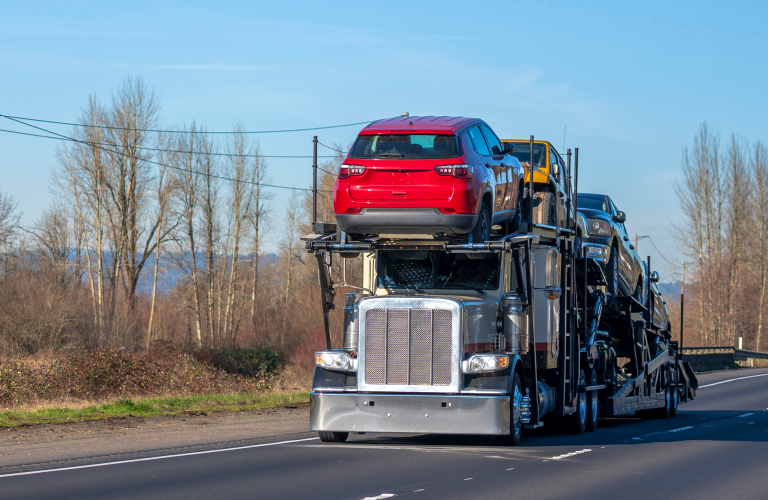

One of the first questions customers ask when shipping a vehicle is simple: How much will it cost?
While car shipping prices may seem unpredictable at first, they are actually based on clear, measurable factors. Understanding these variables helps customers budget accurately, compare quotes fairly, and avoid surprises.
This guide explains the key elements that influence car shipping costs and how vehicle owners can make smarter transport decisions.
Distance Is the Primary Factor
The total distance between pickup and delivery locations plays the biggest role in pricing. Longer routes generally cost more overall, but the price per mile often decreases on long-distance shipments.
Short routes may seem cheaper, but they often cost more per mile due to fixed carrier expenses such as loading, scheduling, and fuel.
Pickup and Delivery Locations Matter
Major metropolitan areas are easier and less expensive to service because carriers frequently travel those routes. Rural or remote locations may increase costs due to limited access and fewer available carriers.
Flexible pickup or delivery locations—such as nearby cities—can sometimes reduce pricing.
Vehicle Size and Weight
Larger vehicles take up more space on a carrier and add weight, which affects fuel consumption.
Typical cost ranking (lowest to highest):
- Sedans
- Coupes
- SUVs
- Pickup trucks
- Vans and oversized vehicles
Providing accurate vehicle details ensures realistic quotes and prevents last-minute price changes.
Transport Type Selection
Open Carrier Transport
- Most affordable option
- Ideal for everyday vehicles
- Widely available
Enclosed Carrier Transport
- Premium pricing
- Maximum protection
- Recommended for high-value vehicles
The choice depends on budget and vehicle value.
Vehicle Condition (Running vs. Non-Running)
Operable vehicles are easier to load and unload, making them less expensive to ship. Inoperable vehicles require special equipment, which increases cost.
Always disclose vehicle condition upfront to avoid delays or re-quoting.
Seasonal Demand
Car shipping prices fluctuate throughout the year:
- Summer and snowbird seasons see higher demand
- Winter may offer lower pricing in some regions
- Holidays can impact carrier availability
Booking early helps lock in better rates.
Timing and Flexibility
Customers who can offer flexible pickup windows often receive better pricing. Guaranteed pickup dates or expedited shipping increase costs due to limited carrier availability.
Insurance and Carrier Credentials
Professional auto transport companies work with licensed and insured carriers. While cheaper quotes may be tempting, inadequate insurance or unverified carriers can lead to costly issues.
Working with a reputable provider like Onyx Auto Transport ensures pricing reflects proper coverage, compliance, and professional handling.
How to Avoid Overpaying
- Compare quotes based on value, not just price
- Verify licensing and insurance
- Avoid unrealistically low estimates
- Choose experienced coordinators
- Plan shipments in advance
Transparency and communication are just as important as cost.
Final Thoughts
Car shipping costs aren’t random—they’re based on logistics, equipment, distance, and timing. Understanding these factors empowers vehicle owners to make informed decisions and select the right transport solution for their needs.
By working with knowledgeable auto transport professionals like Onyx Auto Transport, customers gain clarity, reliability, and confidence throughout the shipping process.